Chicago Gutter Pros provides expert gutter cleaning, repair, and installation services throughout the Chicago area. Located at 2555 Lincoln Hwy, Olympia Fields, IL 60461, we are committed to protecting your home from water damage with reliable, high-quality solutions. Call us today at (312) 281-7473 or email [email protected] for a free estimate.
Keeping your gutters free of leaves and debris is essential to protecting your home from water damage, ice dams, and costly repairs. Whether you're a seasoned DIY enthusiast or tackling fall cleanup for the first time, understanding effective leaf removal methods and gutter cleaning strategies ensures your gutter system functions smoothly year-round.
What Are the Best Tools for Cleaning Leaves Out of Gutters?
Using the right gutter cleaning tools streamlines leaf removal, reduces physical strain, and improves safety during maintenance. Essential tools for effective gutter cleaning include:
- Gutter scoops or scraper tools: These handheld tools help you manually remove wet leaves, mud, and sludge stuck inside gutters quickly and efficiently. Gutter brushes: Installed inside gutters, they trap leaves and reduce future buildup, easing cleaning between seasonal maintenance. Telescopic or extension poles: Long-handled tools allow you to reach gutters safely from the ground or ladder without constant repositioning. Wet/dry vacuum or gutter vacuum: Specialized vacuums suction loose debris safely without damaging the gutter system. Leaf blower with gutter attachments: Ideal for blowing dry leaves and lightweight debris out of gutters and downspouts quickly. Safety gear and cleaning supplies: Don’t forget sturdy gloves, safety glasses, work boots, and buckets or tarps to collect debris.
Combining manual tools like scoops with powered equipment such as leaf blowers optimizes efficiency during gutter cleaning and leaf removal.
How Should I Prepare Safely Before Cleaning Gutters?
Prioritizing safety commercial gutters chicago before gutter cleaning protects you from falls and injuries related to roof access and ladder use.
- Inspect and stabilize your ladder: Use ladder stabilizers and place the ladder on firm, level ground. Always ensure the ladder is secure before climbing. Use safety equipment: Wear heavy-duty gloves to protect hands from sharp debris and insects. Safety glasses shield your eyes from flying dirt and splinters. Wear non-slip work boots and protective clothing: Good footwear improves grip during roof access or ladder work. Consider using a harness: Especially if working on multi-story homes or steep roofs, a safety harness adds important fall protection. Check weather conditions: Avoid gutter cleaning in rain, snow, or high winds to reduce fall risk and ineffective leaf removal. Clear the work area: Remove obstacles beneath your work zone and warn others to avoid injury from falling debris.
Following these safety protocols prevents accidents and makes gutter maintenance less stressful.
What Is the Step-by-Step Process for Removing Leaves from Gutters?
A systematic approach to cleaning gutters ensures thorough debris removal and prevents clogged gutters effectively.
Set up the ladder safely near the gutter edge, following ladder safety best practices. Remove large debris manually using gutter scoops or gloved hands, depositing leaves into buckets or tarps below. Flush gutters and downspouts with a garden hose set to medium-high water pressure to wash out smaller particles and sludge. Use a leaf blower or gutter vacuum attachments to clear stubborn, dry debris — especially in downspouts where clogs are common. Inspect downspouts for blockages and use a plumber’s snake or garden hose nozzle to dislodge stubborn clogs. Dispose of collected debris properly by composting leaves or disposing of them according to local yard waste rules. Perform a final inspection for gutter damage such as leaks, sagging sections, or rust spots and schedule gutter repair if needed.
Routine fall cleanup after leaf drop and spring cleaning before rainy seasons keep gutters flowing freely and protect your gutter pro home from water damage.
How Can Leaf Guards or Gutter Guards Help Reduce Leaf Buildup?
Installing leaf guards or gutter guards offers a preventative solution to leaf buildup and clogged gutters.
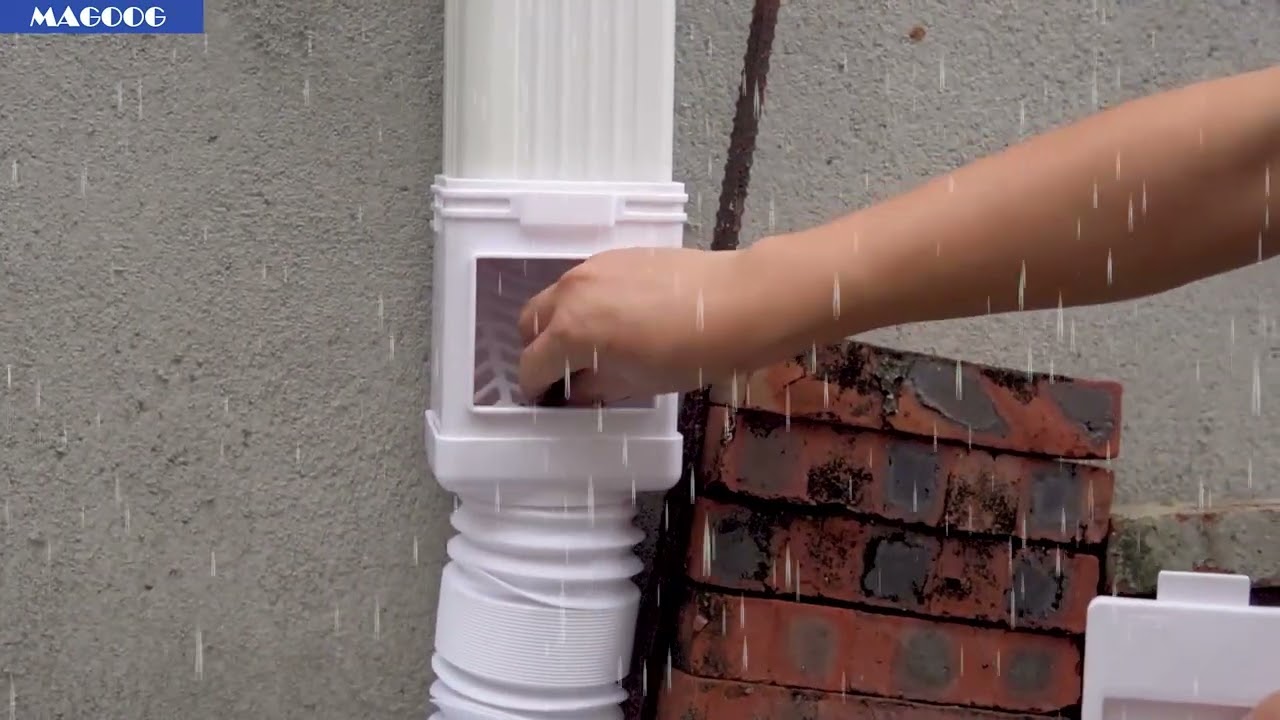
- Mesh or foam guards: These cover the gutter opening, blocking leaves while allowing rainwater to flow through unimpeded. Gutter brushes: Inserted into gutters, they capture leaves and debris on top, making future cleaning easier. Reduced cleaning frequency: By preventing major debris accumulation, guards minimize how often deep cleanings are necessary. Installation options: Some gutter guard systems are DIY-friendly, while others might require professional gutter installation for optimal performance. Prevent water damage and ice dams: By keeping gutters clear, guards help maintain proper drainage especially during heavy rains and winter snowmelt.
While not completely maintenance-free, leaf guards significantly ease the burden of regular gutter upkeep.


Can I Use a Leaf Blower or Garden Hose to Clean Gutters?
Yes, using a leaf blower and garden hose together can make your gutter cleaning more efficient.
- Leaf blower: Best used for dry leaves and light debris; attaching a gutter-specific nozzle helps direct airflow safely within gutter channels and downspouts. Garden hose: Using a hose with an adjustable nozzle lets you flush away dirt, small bits of debris, and mud from gutters and clogged downspouts effectively. Water pressure considerations: High water pressure can dislodge stubborn clogs but avoid spraying water directly onto weak roofing materials to prevent damage. Ensure proper drainage: Direct runoff away from your home foundation and landscaping to avoid overflow and water pooling.
Together, gutter contractor chicago these tools complement manual gutter cleaning, speeding up the process and improving overall effectiveness.
When Should I Consider Hiring Professional Gutter Cleaning Services?
While many homeowners prefer DIY gutter cleaning, professionals offer affordable gutter services chicago key advantages in certain situations.
- Multi-story or hard-to-reach gutters: Professionals have specialized equipment to safely access high gutters using scaffolding or lifts. Ladder or roof safety concerns: Those uncomfortable with heights or lacking proper safety gear should consider expert assistance. Severe clogging or gutter damage: Pros can diagnose, repair gutters, and fully clear downspouts to prevent water damage. Routine maintenance combined with roof inspections: Cleaning services often inspect roofs, flashing, and gutter attachments for issues beyond debris removal. Time-saving and convenience: Hiring experts frees up your schedule while ensuring thorough gutter system maintenance.
Professional gutter cleaning improves home maintenance quality, reduces injury risks, and extends gutter lifespan.
What Maintenance Tips Help Keep Gutters Clear Between Cleanings?
Regular upkeep Check over here between major gutter cleanings prevents leaf buildup and safeguards against clog-related damage.
- Trim overhanging tree branches: Reducing leaf drop directly above gutters lessens debris accumulation. Install gutter guards or brushes: These physical barriers catch leaves and debris before entering gutters. Inspect gutters after storms or heavy leaf fall: Promptly remove any visible debris to maintain flow. Flush gutters monthly during peak seasons: Using a garden hose helps clear smaller particles regularly. Monitor downspouts: Quickly address any signs of clogging to avoid water backup and gutter overflow. Conduct roof inspections: Removing roof debris reduces the amount that falls into gutters during cleaning cycles.
Adopting these habits promotes effective seasonal cleaning, supports a functional gutter system, and prevents costly repairs.
Bonus: How to Repair Damaged Gutters After Cleaning
After clearing gutters, checking for and repairing damage is vital to maintaining gutter integrity.
- Seal leaks: Use gutter sealant or silicone caulk on small holes or joints that leak water. Replace damaged sections: Severely rusted or cracked gutter segments may need removal and replacement with new material. Tighten loose fasteners: Secure brackets and hangers ensure gutters do not sag under heavy loads. Re-align gutters: Proper slope toward downspouts guarantees efficient drainage and clogs prevention.
Timely gutter repair complements cleaning efforts and optimizes your gutter installation’s lifespan.
In conclusion, effective leaf removal from gutters involves the right combination of tools, safety preparation, and systematic cleaning methods. Whether you choose DIY gutter cleaning or professional services, maintaining a clear gutter system safeguards your home from water damage and ice dams. Incorporating gutter guards and staying vigilant with seasonal maintenance further reduces debris buildup, ensuring your gutters perform optimally year-round. Take proactive steps today to protect your investment and enjoy hassle-free rainwater drainage.